Working with agents doesn't feel like flow
A colleague asked me a deceptively simple question recently—what does it feel like when you are working with agents? I hadn't really thought about it before; actually I hadn’t thought about it all. But I knew one answer immediately: not flow. Not once had I ever entered flow, using agents or AI for that matter.
That question stuck with me. I started paying closer attention while working, trying to notice the texture of the experience rather than just the output and taksks. And the best articulation I have so far is this: working with agents feels much less like classic deep work, and much more like playing a game. Not to say the work is frivolous—it's just because it feels like I’m in a game loop.
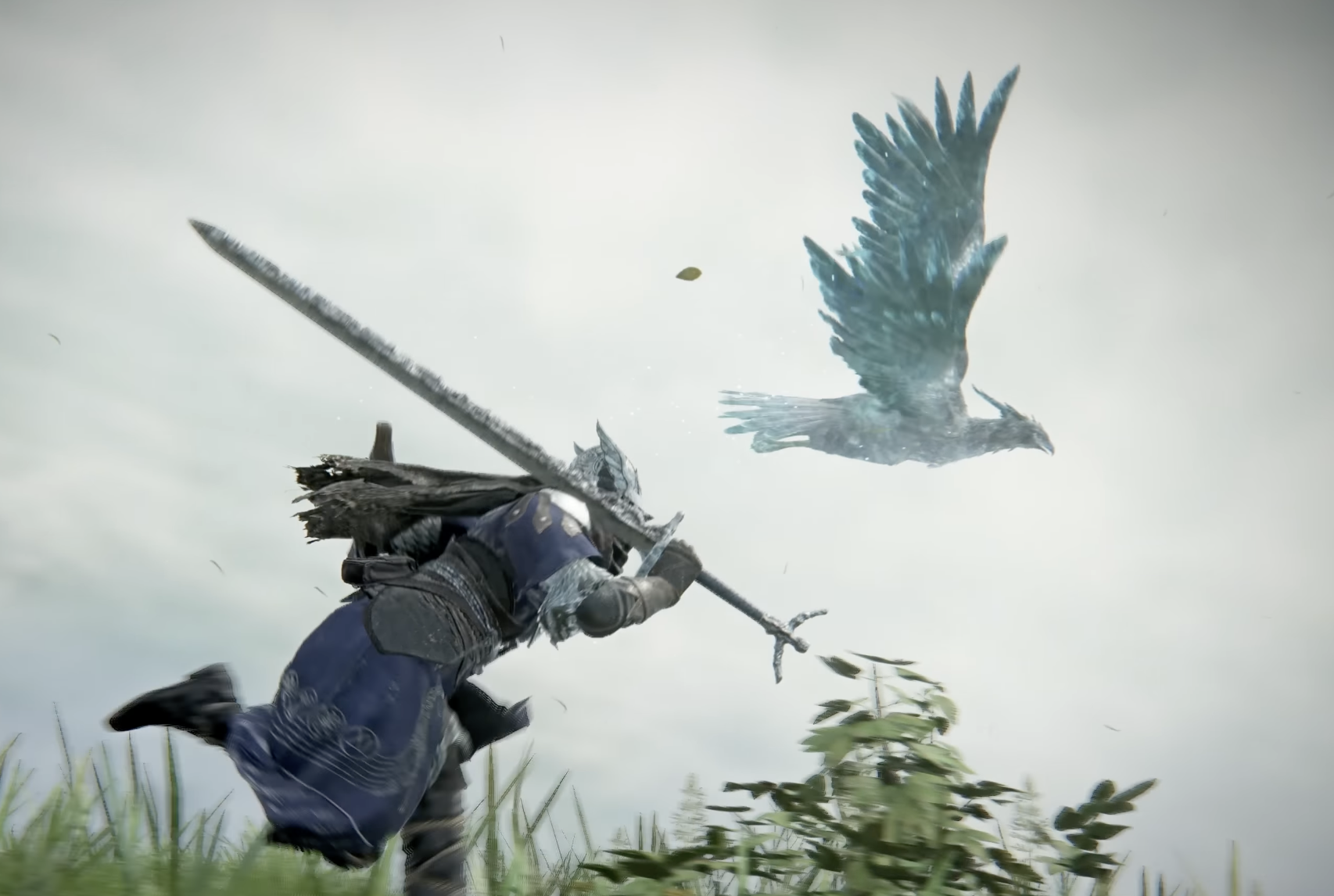
When I work with agents, I'm usually doing some version of this: set direction, trigger action, watch what happens, evaluate, intervene, adjust, try again. That reads lke a game loop rather than a single uninterrupted act of thought. There's an ongoing cycle of action, feedback, and response. That feeling then is much closer, for me, to sports, or to video and board games, than to the usual idea of being 'in the zone' or deep work. Roguelikes and Soulsbornes especially, even turn-based strategy games. Anything where you are making a plan, reading the state of play, making corrections, overcoming the next obstacle, and deciding whether to continue, recover, or pause the run, tracks much more closely to the experience and how it engages. Even when an agent is off doing work in the background, I'm still inside that loop, holding the plan in my head, thinking about the next step. I'm deciding whether to let it continue and wait my turn, or step in. That is a very different frame than flow.
Flow, at least in the usual sense for me, feels smooth and continuous. The work and your attention starts to line up so cleanly that the experience becomes frictionless. You disappear into the work and meld with it. One notable aspect of flow has been I lose track of time. Working with agents on the other hand, is not like that at all. It's highly engaging, but in a more jagged, reactive way. I'm focused, but not settled. I'm absorbed, but not merged with the task. I'm paying close attention the whole time, but the attention is dynamic and tactical rather than continuous. I don't lose track of time at all.
That difference is starting to change how I think about approaching software as much as using agents themselves. For most of my working career, I’ve internalised the usual assumptions: aim for a maker’s schedule, push meetings to the boundaries of the day, protect large blocks of uninterrupted time, optimize for deep work, try to keep the whole system in my head, get into flow. And those ideas still make sense for many kinds of work and I still think of them as the right defaults, they’re so ingrained. But agentic work seems to reward something else in my brain: sustained engagement with a feedback loop. In this mode, outcomes don’t seem to improve in proportion to uninterrupted duration, and I care much less about securing empty swathes of time. What matters more is staying mentally present inside the loop: noticing, judging, redirecting, knowing when to push, when to pause, and when to restart the run.
After a stint of deep work, I usually feel the tiredness of having held a line of thought together for a long time via concentration. After a stint with agents, the tiredness feels more like the aftermath, again, of sustained play or competition. The accumulation of lots of small judgments, many state updates, repeated course corrections, constant low-level vigilance. It's neither better or worse, just different, more like a workout. Last of all, working with agents feels like… fun. Flow is not fun, it’s immensely rewarding yes, but not fun.
This isn’t meant to be a universal notion of how everyone experiences agentic work and I don't want to overclaim on any of this; it’s far from a given I can self-observe effectively. But I think subjective reports can be interesting, because new tools do not just change what we can do, they change the felt shape of the work itself.